
CONDITIONS WE TREAT
Addressing the Root Cause of Your Discomfort
I. Spinal Conditions: Restoring Alignment and Nerve Freedom
Spinal health is paramount to overall well-being. By addressing mechanics, inflammation, and pain signaling, we work to reverse the wear and tear and free the central nervous system from interference.
1. Degenerative Disc Disease (DDD)
What It Is: | The soft, cushiony discs between your vertebrae dry out, shrink, and lose their flexibility over time. This can lead to pain, stiffness, and weakness. Think of it as the disc losing its ‘shock absorber’ capacity. |
Our Approach: | Physiological: Gentle, targeted movements to improve disc hydration and flexibility. Nature: Anti-inflammatory dietary guidance to reduce systemic stress. Mind: Stress-reduction techniques to lower muscle tension and chronic pain perception. |
2. Spinal Stenosis
What It Is: | A narrowing of the spinal canal (the space where the spinal cord and nerves pass through). This crowding puts pressure on the nerves, often causing pain, tingling, or numbness in the legs, especially during walking. |
Our Approach: | Physiological: Postural retraining and specific exercises to gently widen the nerve pathways. Nature:Hydrotherapy or therapeutic heat/cold to soothe irritated nerves. Mind: Mindfulness practices to increase tolerance and reduce the body’s ‘guarding’ response to pain. |
3. Spondylosis (Spinal Osteoarthritis)
What It Is: | A general term for age-related wear and tear affecting the spinal joints, discs, and bones. It results in bone spurs (osteophytes) and stiffening, commonly leading to chronic back or neck pain and reduced mobility. |
Our Approach: | Physiological: Mobilization techniques to maintain joint range of motion without irritation. Nature:Botanical supplements and dietary adjustments to support cartilage health. Mind: Visualization and relaxation to reprogram the brain’s chronic pain pathways. |
4. Osteoarthritis (Spinal Arthritis)
What It Is: | Inflammation of the facet joints (the small joints in the back of the spine that enable movement). It causes stiffness, grinding sensations, and pain that often worsens with activity and improves with rest. |
Our Approach: | Physiological: Low-impact exercises (like water therapy) to strengthen supportive muscles without stressing the joints. Nature:Herbal remedies and anti-inflammatory foods that target joint swelling. Mind:Focused breathing to interrupt pain flares and promote a sense of calm. |
5. Herniated Disc (Slipped Disc or Ruptured Disc)
What It Is: | The soft center of a disc pushes out through a tear in the tougher outer layer. This bulge can press directly on nearby nerves, causing sudden, sharp pain, numbness, or weakness, often radiating down an arm or leg. |
Our Approach: | Physiological: Spinal decompression and movement patterns designed to gently encourage the disc material to recenter. Nature: Restorative environment recommendations (proper sleeping setup, supportive seating). Mind: Guided imagery for accelerated tissue healing and pain relief. |
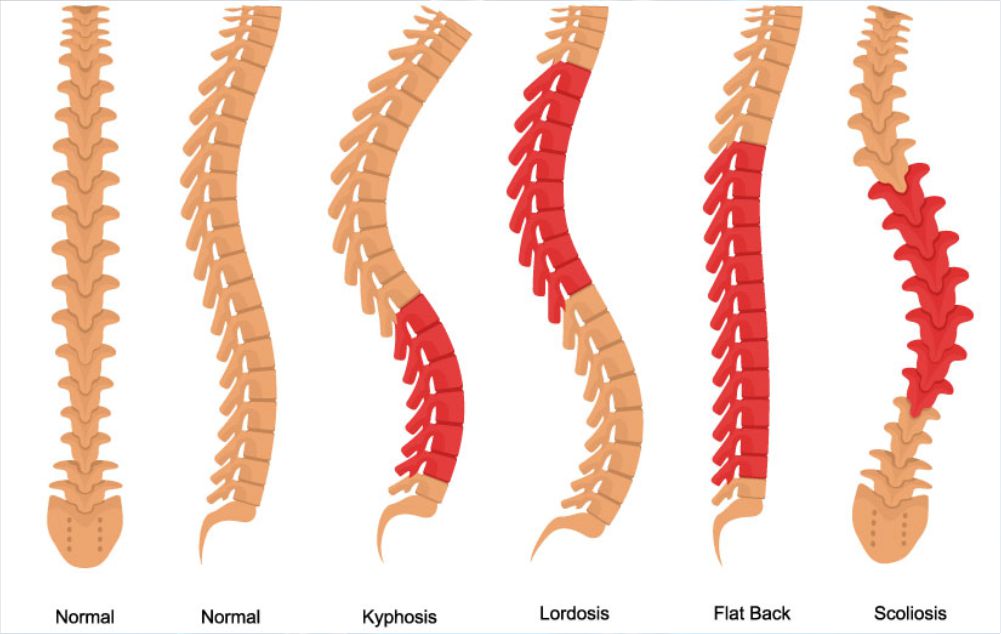
6. Scoliosis, Kyphosis (Hunchback), Lordosis (Swayback)
What It Is: | Abnormal curves in the spine (side-to-side, excessive rounding, or excessive inward curve, respectively), impacting posture and muscle balance. |
Our Approach: | Physiological: Schroth Method or specific corrective exercise protocols; balancing strength between opposing muscle groups. Nature: Magnesium and Calcium for bone and muscle health; focus on anti-inflammatory diet. Mind: Postural awareness training and Visualization of a straight, balanced spine. |
7. Spondylolisthesis (Spinal Slippage)
What It Is: | A condition where one vertebra slips forward over the bone below it. This slippage can pinch nerves, causing intense back pain and leg symptoms. It requires careful, controlled stabilization. |
Our Approach: | Physiological: Intense focus on deep core and spinal stability exercises to create a natural, protective “corset” around the area. Nature: Non-impact activities (like stationary cycling) to maintain fitness safely. Mind: Fear-avoidance reversal strategies to restore confidence in movement. |
8. Sciatica & Pinched Nerve (Radiculopathy)
What It Is: | Pain, numbness, or tingling that travels down the leg (sciatica) or arm (radiculopathy), caused by compression or irritation of a nerve root in the spine. |
Our Approach: | Physiological: Nerve flossing/gliding exercises to free the nerve; gentle traction and hip/piriformis stretching. Nature:Alpha-Lipoic Acid and high-dose B vitamins to support nerve health and repair. Mind: Mindfulness-Based Pain Management to decouple the sensation from the distress. |
9. Whiplash
What It Is: | An injury to the soft tissues (ligaments, muscles, discs) of the neck caused by a sudden, forceful back-and-forth movement (like in a car accident). It leads to neck stiffness, headache, and often dizziness. |
Our Approach: | Physiological: Careful mobilization, deep neck flexor strengthening, and gaze stabilization exercises. Nature: Cold laser or gentle heat therapy to reduce acute inflammation. Mind: Biofeedback and relaxation to address the high levels of muscle guarding and tension. |
II. Head Conditions: Rewiring Resilience and Calming the Brain
The brain and central nervous system are key to all healing. Our head condition protocols emphasize neuroplasticity, inflammation control, and addressing the root causes of pain and neurological imbalance.
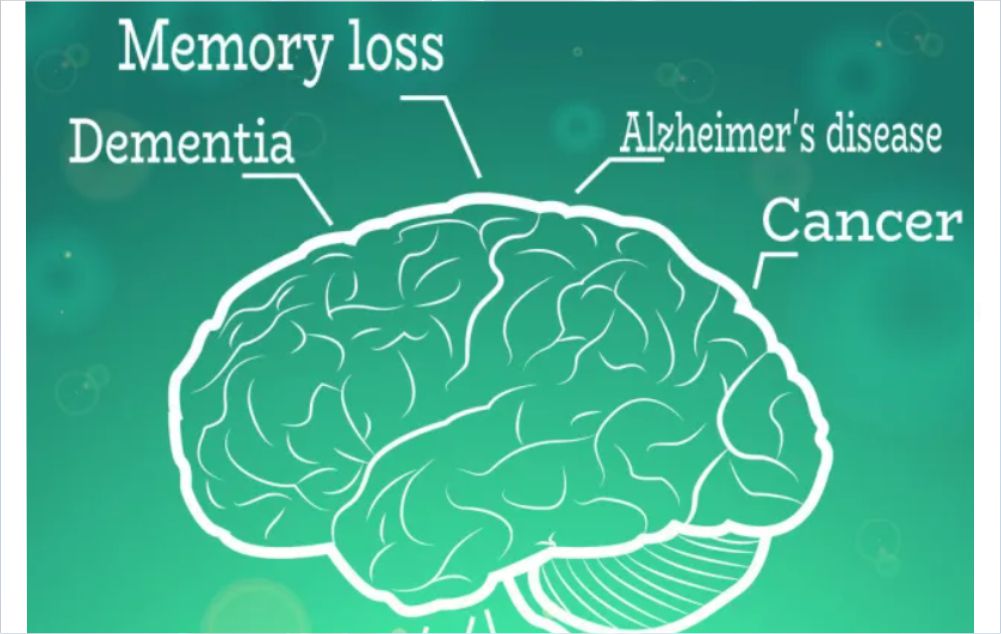
1. Alzheimer’s Disease & Dementia
What It Is: | Progressive neurodegenerative disorders causing cognitive decline, memory loss, and functional impairment. |
Our Approach: | Physiological: Aerobic Exercise (brain-derived neurotrophic factor boost); Cognitive Engagement (puzzles, learning). Nature: Mediterranean Diet; Omega-3s, Curcumin, and Lion’s Mane mushroom for neuroprotection. Mind:Reminiscence Therapy and Mindfulness to preserve cognitive function and reduce agitation. |
2. Stroke & TIA
What It Is: | Events caused by interrupted blood flow to the brain, leading to cell death and functional loss (Stroke) or temporary symptoms (TIA). |
Our Approach: | Physiological: Intensive Neuro-Rehabilitation (PT/OT/Speech); managing cardiovascular risk factors (BP, cholesterol). Nature: CoQ10 and Hawthorn for vascular support; powerful antioxidants. Mind: Mirror Box Therapy; Visualizationto stimulate neural rewiring (neuroplasticity). |
3. Migraine & Cluster Headache
What It Is: | Severe, debilitating headaches linked to nerve hypersensitivity, inflammation, and vascular changes in the brain. |
Our Approach: | Physiological: Trigger Identification (dietary, environmental); Cervical Physical Therapy for neck tension relief. Nature: Magnesium, Riboflavin (B2), and Butterbur for prophylaxis; anti-inflammatory herbs. Mind: Biofeedbackand CBT to manage stress and modify the pain response pattern. |
4. Concussion & Traumatic Brain Injury (TBI)
What It Is: | Injuries resulting in a temporary (Concussion) or long-lasting (TBI) disruption of normal brain function. |
Our Approach: | Physiological: Strict rest followed by a gradual, guided return-to-activity protocol; vestibular therapy. Nature: High-dose Omega-3s, Creatine, and NAC to support metabolic recovery and reduce inflammation. Mind: EMDR or Neurofeedback to process injury-related trauma and reset brain wave patterns. |
5. Epilepsy
What It Is: | A central nervous system (neurological) disorder in which brain activity becomes abnormal, causing seizures or periods of unusual behavior, sensations, and sometimes loss of awareness. |
Our Approach: | Physiological: Implementing a Ketogenic or Modified Atkins Diet (under medical supervision) to stabilize electrical activity in the brain. Nature: Magnesium and Vitamin B6 to support neurotransmitter balance. Mind: Vagal Nerve Stimulation (VNS) techniques (like deep, slow breathing) to calm the nervous system and potentially reduce seizure frequency. |
6. Bell’s Palsy
What It Is: | A sudden, temporary weakness or paralysis of the muscles in one side of the face. It’s believed to be caused by inflammation or damage to the facial nerve (the 7th cranial nerve). |
Our Approach: | Physiological: Gentle Facial Massage and Neuromuscular Re-education Exercises to encourage nerve regeneration and prevent muscle atrophy. Nature: Acupuncture and B12 Injections to stimulate nerve pathways. Mind: Emotional Support to cope with the sudden change in appearance and build confidence through self-acceptance practices |
III. Ankle and Foot Conditions: Rebuilding the Groundwork
The feet are the foundation of our entire kinetic chain. Healing these conditions focuses on restoring proper biomechanics, reducing localized inflammation, and ensuring structural support.
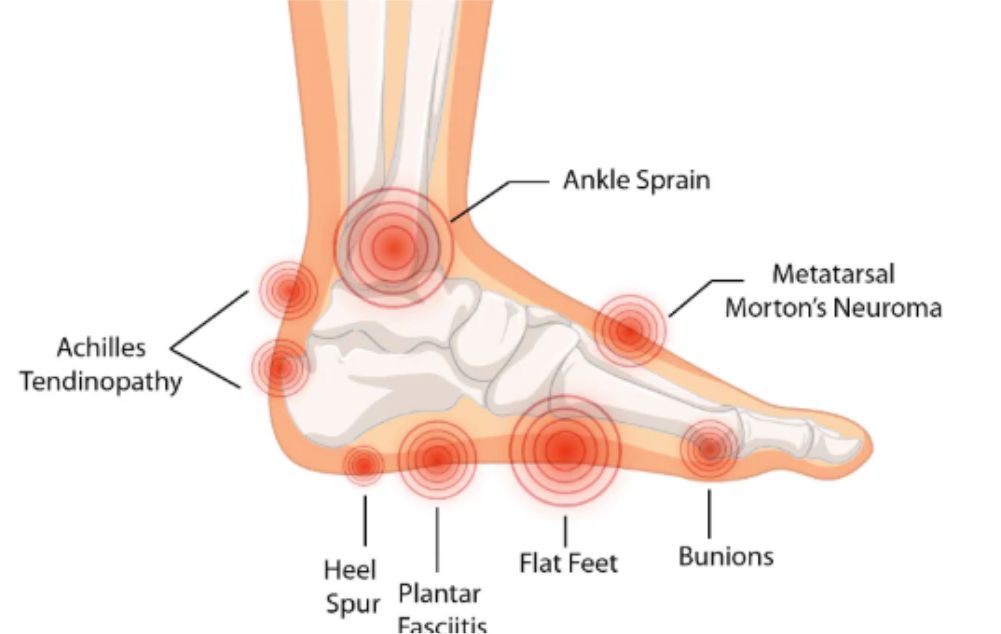
1. Plantar Fasciitis
What It Is: | nflammation of the thick band of tissue running across the bottom of the foot, often causing stabbing heel pain, especially first thing in the morning. |
Our Approach: | Physiological: Deep tissue massage, specific stretching (calf and plantar fascia), and proper shoe inserts. Nature: Topical Arnica or CBD balms for localized inflammation; Magnesium for muscle relaxation. Mind: Grounding and Visualization to promote relaxation and acceptance of a long-term healing process. |
2. Achilles Tendinitis/Tendonosis
What It Is: | Inflammation or degeneration of the tendon connecting the calf muscles to the heel bone, often caused by overuse or rapid increases in activity. |
Our Approach: | Physiological: Eccentric calf exercises to remodel the tendon structure; heel lifts to reduce tension. Nature: Bromelainand Curcumin for internal inflammation; collagen support. Mind: Somatic awareness to identify and correct patterns of “pushing through” pain during movement. |
3. Ankle Sprain
What It Is: | Injury to the ligaments in the ankle, typically caused by a sudden twist or roll. Severity ranges from mild stretching to a complete tear. |
Our Approach: | Physiological: Graduated proprioception and balance training (e.g., wobble board) post-acute phase; low-impact exercise. Nature: Cold/Hot therapy cycling; essential oils like Frankincense for tissue healing. Mind: Guided imageryfocused on visualizing the ligaments healing and becoming strong. |
4. Tarsal Tunnel Syndrome
What It Is: | Compression of the tibial nerve in the tarsal tunnel (the pathway on the inside of the ankle). Can cause pain, numbness, and tingling. |
Our Approach: | Physiological: Nerve gliding exercises to free the compressed nerve; custom orthotics to correct foot alignment. Nature:B Vitamins (especially B6 and B12) to support nerve function and repair. Mind: Mindfulness to manage the neurological irritation and associated anxiety. |
5. Bunion (Hallux Valgus)
What It Is: | A bony bump that forms on the joint at the base of the big toe, causing the toe to angle inward. Often structural and worsened by ill-fitting shoes. |
Our Approach: | Physiological: Toe-stretching exercises; using toe separators and properly fitting footwear. Nature: Icing and anti-inflammatory diet to reduce local swelling. Mind: Acceptance and Commitment Therapy (ACT) principles to manage frustration with chronic structural issues. |
6. Morton’s Neuroma
What It Is: | A painful condition that affects the ball of the foot, most commonly the area between the third and fourth toes, feeling like walking on a pebble. Caused by nerve tissue thickening. |
Our Approach: | Physiological: Metatarsal pads and wider shoes to offload the nerve; specific foot mobilization. Nature: Targeted topical anti-inflammatories; Vitamin B complex. Mind: Relaxation techniques to prevent “tensing up” the foot in anticipation of pain. |
IV. Knee Conditions: Stability and Cartilage Support
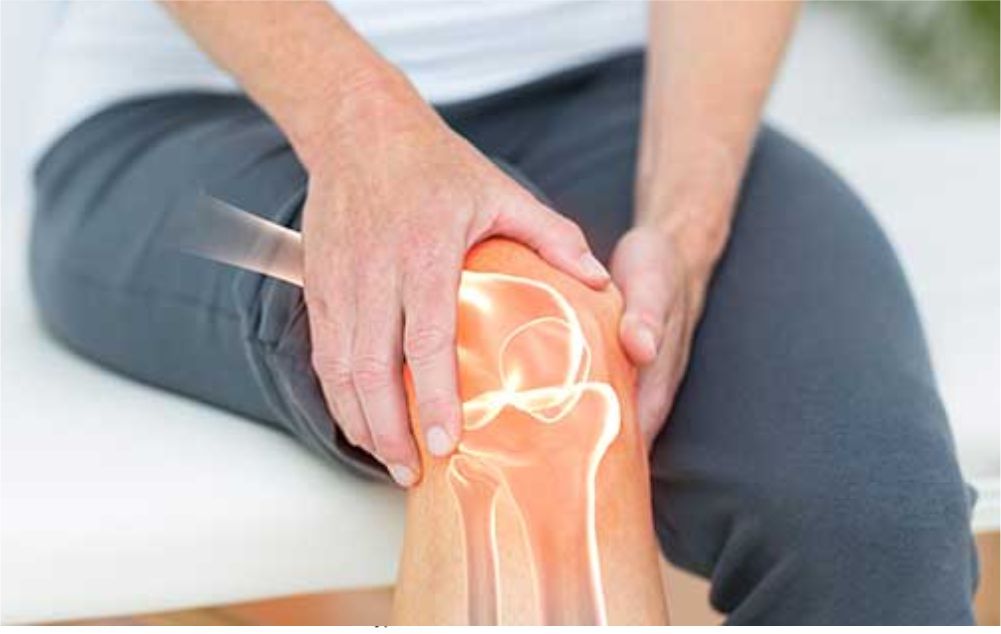
The knee is a complex hinge joint that demands both strength and flexibility. Our methods focus on joint fluid health, quadriceps/hamstring balance, and cartilage support.
1. ACL/MCL/PCL Tear
What It Is: | Injuries to the major stabilizing ligaments of the knee, often requiring surgical repair followed by extensive rehabilitation to restore stability. |
Our Approach: | Physiological: Pre-habilitation (if surgery is pending) and intensive, specialized Physiotherapy focusing on strength and neuromuscular control. Nature: Glucosamine/Chondroitin and MSM to support joint matrix post-injury. Mind:Focused visualization of successful movement and return to activity; Biofeedback for muscle activation. |
2. Meniscus Tear
What It Is: | Tearing of one of the two C-shaped pieces of cartilage that act as shock absorbers between the thighbone and shinbone. |
Our Approach: | Physiological: Non-surgical approach relies on targeted exercises to strengthen surrounding muscles to stabilize the joint. Nature: Fish Oil and Ginger to manage inflammation and pain; targeted joint supplements. Mind: Paced activity scheduling and Mindfulness to prevent overexertion and associated pain flares. |
3. Patellofemoral Pain Syndrome
What It Is: | Pain around or under the kneecap, often called “Runner’s Knee,” caused by misalignment or muscle imbalance leading to improper tracking of the kneecap. |
Our Approach: | Physiological: Intensive focus on hip and core strengthening to stabilize the entire leg; gentle stretching of tight quads/hamstrings. Nature: Addressing underlying Vitamin D deficiency; anti-inflammatory eating. Mind: Body scanning to identify and relax compensatory tension patterns throughout the leg and back. |
4. Iliotibial (IT) Band Syndrome
What It Is: | Pain on the outside of the knee caused by the IT band (a thick band of tissue running from the hip to the knee) becoming tight or inflamed from rubbing over the bone. |
Our Approach: | Physiological: Targeted foam rolling and deep stretching of the IT band and surrounding hip muscles; correcting running/walking gait. Nature: Localized cold therapy; Turmeric and high-quality omega-3s. Mind: Pacing and Acceptance of necessary changes in training routine. |
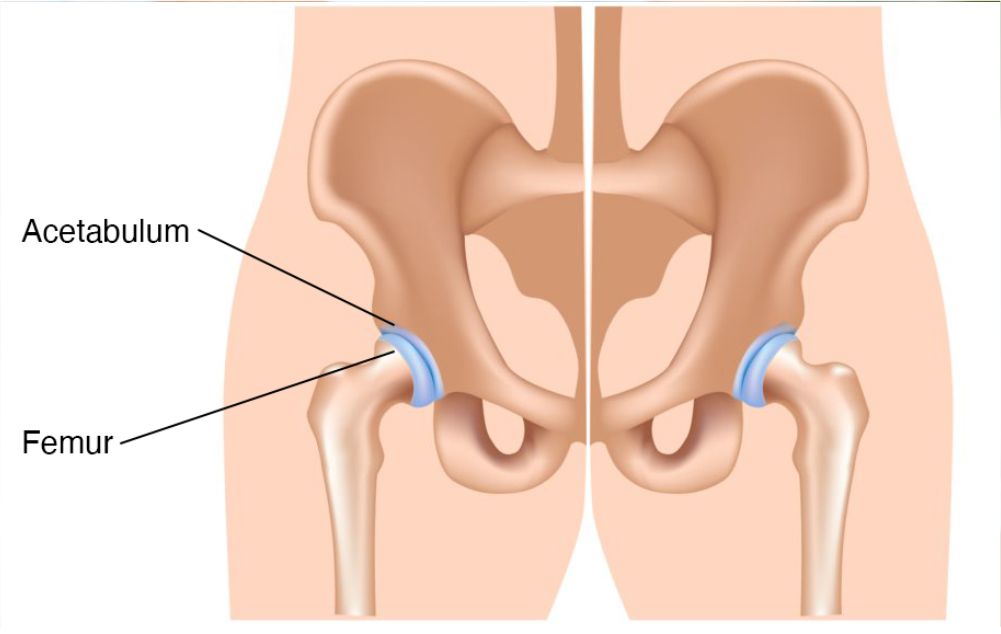
V. Hip Conditions: Core Stability and Mobility
The hip is a major weight-bearing ball-and-socket joint. Healing here requires improving range of motion, balancing deep core and gluteal strength, and preserving cartilage integrity.
1. Osteoarthritis (Hip Arthritis)
What It Is: | Degeneration of the hip joint cartilage, leading to pain and limited mobility. |
Our Approach: | Physiological: Non-weight-bearing exercises (aquatic therapy); gentle, daily range-of-motion routines. Nature:Collagen Peptides and Hyaluronic Acid for joint fluid support; anti-inflammatory herbs. Mind: Visualization of fluid, pain-free movement to reinforce positive neural pathways. |
2. Hip Bursitis (Trochanteric Bursitis)
What It Is: | Inflammation of the bursa (fluid-filled sac) on the outside of the hip, causing pain when lying on that side or walking. |
Our Approach: | Physiological: Correcting gait and posture; strengthening the gluteus medius to reduce tendon friction. Nature:Localized heat/cold therapy; systemic anti-inflammatory protocol. Mind: Mindful sitting/standing practice to avoid resting weight entirely on the affected side. |
3. Femoroacetabular Impingement (FAI) & Labral Tear
What It Is: | Structural issues where extra bone growth or cartilage damage causes the hip bones to rub against each other, limiting movement and causing pain. |
Our Approach: | Physiological: Highly customized, non-impinging mobility exercises; deep core and pelvic floor stabilization. Nature:Targeted supplements for connective tissue repair (e.g., Vitamin C, Zinc). Mind: Biofeedback to learn how to move without aggravating the joint capsule. |
4. Hip Fracture
What It Is: | A break in the upper quarter of the thigh bone, often resulting from a fall or trauma, especially in older adults with osteoporosis. |
Our Approach: | Physiological: Intensive, post-surgical rehabilitation to safely regain weight-bearing capacity; balance training. Nature:Focus on Calcium, Vitamin D, and Vitamin K2 for bone healing; high-protein diet. Mind: Confidence-building exercises and addressing the “fear of falling” that often follows a fracture. |
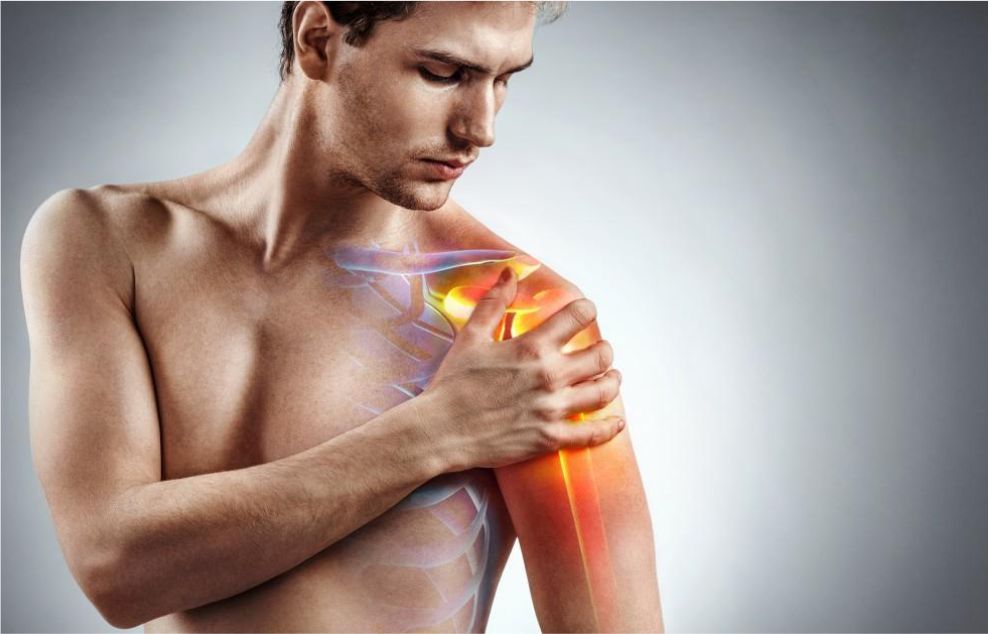
VI. Shoulder Conditions: Dynamic Stability and Range of Motion
The shoulder is the most mobile joint, requiring a delicate balance of strength, flexibility, and stability. Healing focuses on re-centering the joint and promoting coordinated muscle firing.
1. Rotator Cuff Tendinitis/Tear
What It Is: | Inflammation or tearing of the group of muscles and tendons that surround the shoulder joint, providing stability and allowing rotation. |
Our Approach: | Physiological: Progressive, low-load rotator cuff strengthening and scapular stabilization exercises. Nature: Anti-inflammatory supplements; focus on healthy fats for tendon flexibility. Mind: Paced resistance training and mindful execution to ensure proper form and prevent compensatory movement. |
2. Frozen Shoulder (Adhesive Capsulitis)
What It Is: | A condition where the shoulder capsule thickens and tightens around the joint, severely restricting movement. It often involves three phases: freezing, frozen, and thawing. |
Our Approach: | Physiological: Extremely gentle, non-aggressive range-of-motion exercises; passive stretching (under guidance). Nature: Systemic anti-inflammatories; Enzyme Therapy (e.g., serrapeptase) to address tissue stickiness. Mind: Deep Relaxation and patience, as this condition requires a long, managed recovery phase. |
3. Shoulder Dislocation
What It Is: | The humerus (upper arm bone) pops out of the shoulder socket. This often damages the surrounding ligaments and labrum. |
Our Approach: | Physiological: Post-reduction focused on restoring stability through muscle co-contraction and strengthening the rotator cuff. Nature: Supplements to aid ligament and labral repair. Mind: Mental rehearsal of stable movement; addressing the fear of re-injury through CBT. |
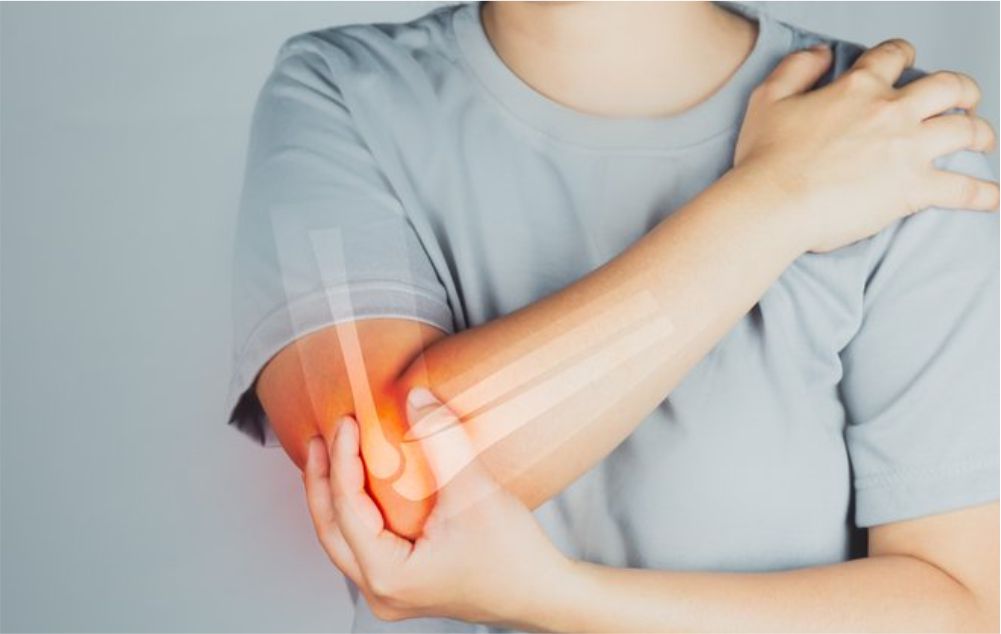
VII. Elbow Conditions: Addressing Repetitive Strain
The elbow is frequently impacted by repetitive strain from grip and rotation, often leading to tendon issues. Our approach emphasizes correcting movement mechanics and promoting tendon resilience.
1. Lateral Epicondylitis (Tennis Elbow)
What It Is: | Pain and tenderness on the outside of the elbow, caused by overuse of the tendons connecting the forearm muscles to the outside of the elbow. |
Our Approach: | Physiological: Ergonomic corrections at work/sport; targeted forearm strengthening and eccentric exercises. Nature:Topical magnesium/CBD for muscle relaxation; Silica for connective tissue strength. Mind: Mindful grip release—being aware of unconsciously tensing the forearm muscles throughout the day. |
2. Medial Epicondylitis (Golfer’s Elbow)
What It Is: | Pain and tenderness on the inside of the elbow, caused by overuse of the tendons that flex the wrist and fingers. |
Our Approach: | Physiological: Specific stretching for wrist flexors; addressing shoulder stability and posture that may contribute to elbow strain. Nature: Vitamin C and Zinc to support collagen synthesis. Mind: Stress reduction to limit muscle tension in the shoulder and neck, which refers down to the elbow. |
3. Cubital Tunnel Syndrome
What It Is: | Irritation, compression, or stretching of the ulnar nerve (“funny bone”) as it passes through the cubital tunnel on the inside of the elbow. |
Our Approach: | Physiological: Avoiding prolonged elbow flexion (bending); using protective padding and nerve gliding exercises. Nature: B Vitamins to support nerve health. Mind: Awareness training to avoid sleeping or resting the arm in positions that compress the nerve. |
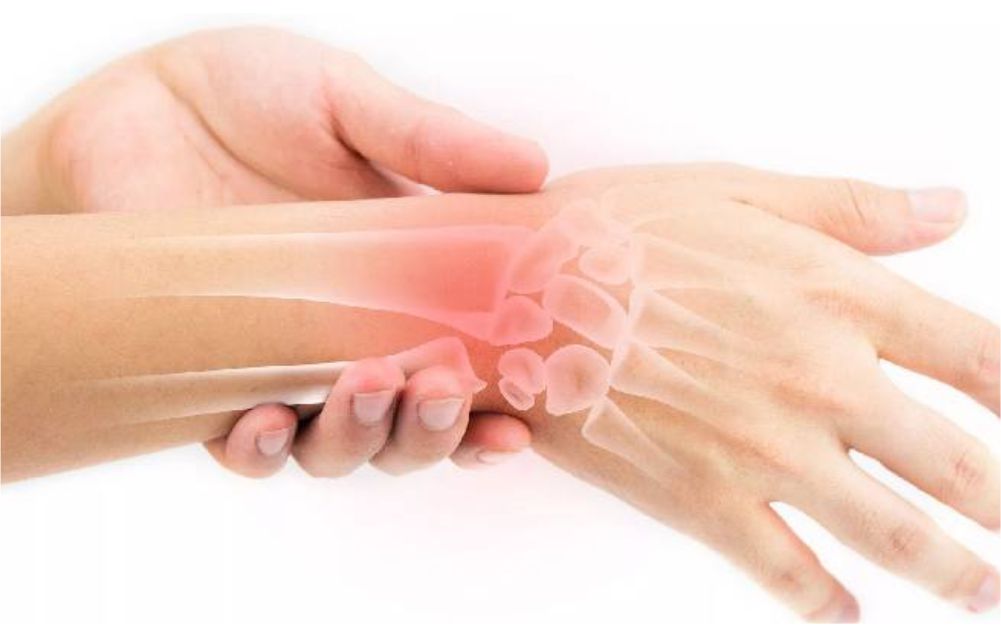
VIII. Wrist and Hand Conditions: Nerve and Tendon Freedom
The precision of the wrist and hand relies on unrestricted nerve and tendon gliding. Healing focuses on reducing compression, restoring fluid move
1. Carpal Tunnel Syndrome
What It Is: | Compression of the median nerve as it passes through the carpal tunnel in the wrist, causing numbness, tingling, and weakness in the hand. |
Our Approach: | Physiological: Ergonomic adjustments at the workstation; specific nerve and tendon gliding exercises. Nature: B6 and Turmeric to reduce localized nerve inflammation. Mind: Relaxation practices to prevent ‘typing tension’ that tightens the forearm muscles and wrist. |
2. De Quervain’s Tenosynovitis
What It Is: | Painful inflammation of the tendons on the thumb side of the wrist, often caused by repetitive gripping or pinching motions. |
Our Approach: | Physiological: Thumb and wrist splinting for rest; targeted strengthening of the forearm extensors. Nature: Localized cold therapy; systemic anti-inflammatory support. Mind: Conscious substitution of high-risk gripping motions with low-risk alternatives. |
3. Trigger Finger/Thumb
What It Is: | A condition in which one of the fingers or the thumb gets stuck in a bent position or snaps straight, caused by inflammation narrowing the space around the tendon sheath. |
Our Approach: | Physiological: Gentle stretching and tendon gliding exercises; avoiding repetitive forceful gripping. Nature: Bromelainfor soft tissue inflammation; targeted nutrient support. Mind: Massage and Self-care rituals focused on releasing tension in the hands and forearms. |
SYMPTOMS WE TREAT
Tired of Symptoms Controlling Your Life? Find Lasting Relief Here.

I. Widespread Pain & Chronic Fatigue
Joint Pain, Muscle Pain (Myalgia), Muscle Stiffness, Inflammation, Chronic Headache, Stress
Why It Happens (What It Is): | These symptoms often cluster together, suggesting underlying widespread chronic conditions like Fibromyalgia, systemic inflammation, or chronic muscle tension. Prolonged Stress can lead to constant muscle guarding and trigger points, resulting in body-wide aching and stiffness that is resistant to simple rest. |
Our Connected Approach: | Holistic Pain Reset: We begin with a comprehensive assessment to differentiate between localized injury and systemic issues. Our treatment integrates targeted anti-inflammatory strategies (like specific dietary or lifestyle modifications), gentle therapeutic exercise to restore flexibility, and proven stress-reduction techniques (such as mindfulness and breathwork) to quiet the nervous system and break the cycle of chronic pain. |
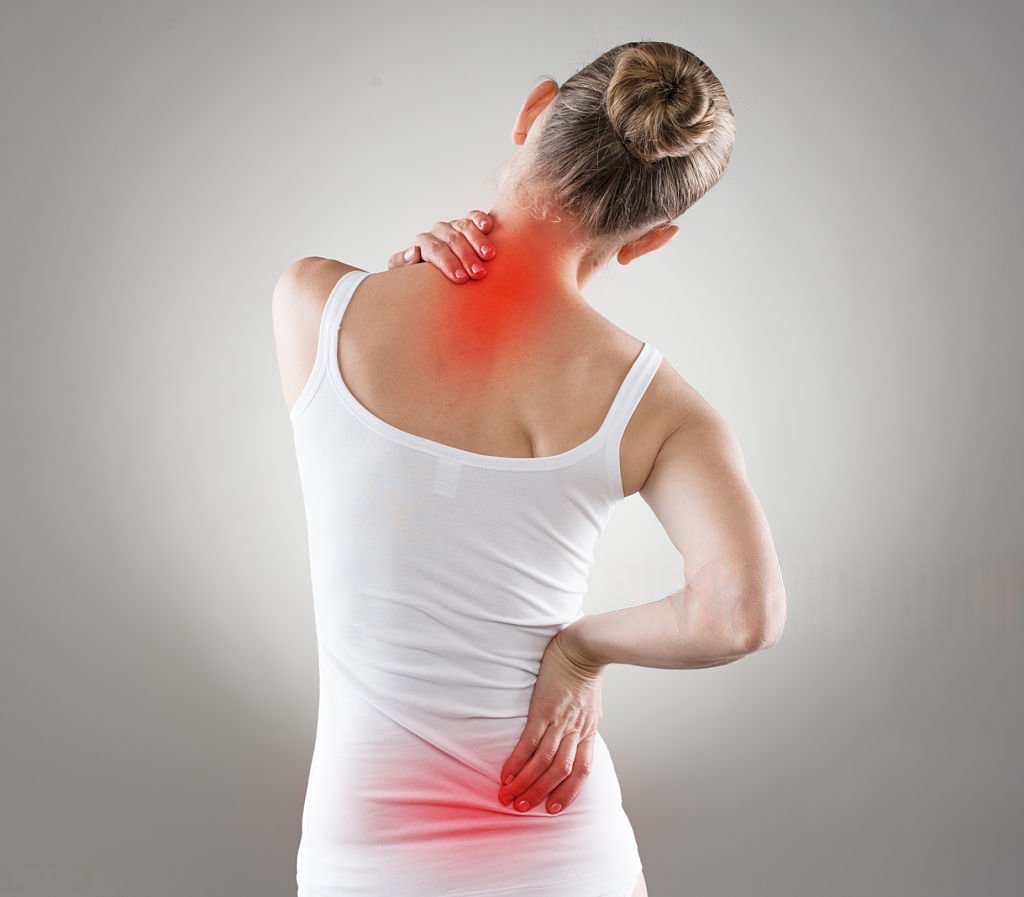
II. Back, Neck, and Shoulder Discomfort
Upper Back Pain, Lower Back Pain, Neck Pain, Shoulder Pain, Cracking Joints (Crepitus), Sprains & Strains
Why It Happens (What It Is): | The spine and major joints bear the brunt of our daily life. Lower Back Pain often results from muscle strain, poor core stability, or disc issues, while Upper Back and Neck Pain are frequently caused by poor posture (especially from desk work), muscle overuse, or acute Sprains & Strains. Cracking Joints can indicate harmless gas release, but when painful, may signal joint surface wear (Osteoarthritis). |
Our Connected Approach: | Structural Re-Alignment & Strength: We focus on correcting the foundation. Our therapists use Manual Therapy and Spinal Decompression techniques to relieve pressure and restore proper joint function. We then build a customized Corrective Exercise Program targeting the deep core and postural muscles to stabilize your spine, shoulders, and hips, reducing the load on overworked muscles and preventing future recurrence of pain. |
III. Neurological & Balance Challenges
Tingling, Numbness, Tremors, Loss of Balance, Foot Pain
Why It Happens (What It Is): | These symptoms suggest a disruption in your nervous system. Tingling and Numbness often occur due to nerve compression—a “pinched nerve” (Radiculopathy) from a bulging disc or tight muscle—or an underlying condition like Peripheral Neuropathy (nerve damage). Loss of Balance and Tremors can stem from issues in the inner ear, spinal stability, or central neurological pathways. |
Our Connected Approach: | Nerve & Balance Restoration: We utilize specific nerve mobilization exercises to relieve pressure and improve nerve flow to your extremities. For Loss of Balance, we employ Proprioception Training and targeted vestibular exercises to stabilize your equilibrium and build confidence in movement. For chronic Foot Pain (like plantar fasciitis), we address the mechanical alignment from the foot up to the hip, ensuring a stable foundation for your entire body. |